By Ananya Devi April 10, 2026
Michèle Lamy shared AI fashion insights in her April 10, 2026 Vanity Fair interview. She likened AI to creative disruptions in striptease and Rick Owens designs. South Asian designers fuse these ideas with Banarasi silk and Chanderi weaves.
Lamy's AI Fashion Insights Reshape Pattern Generation
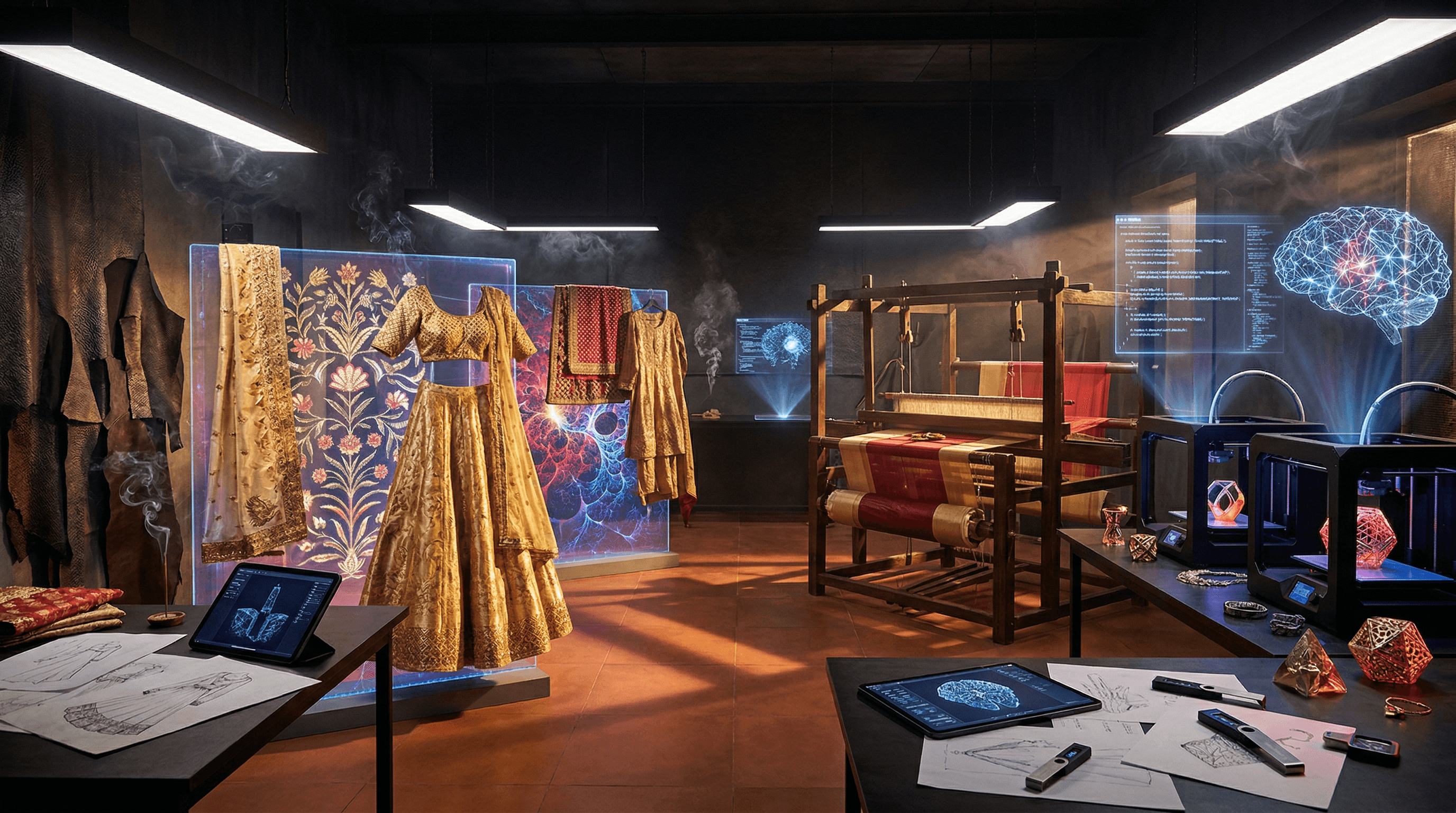
Lamy portrays AI as a tool that strips designs to essentials. Indian designers deploy generative algorithms on heritage pattern datasets from Banarasi and Kanjeevaram looms. Rick Owens' studio showcased AI-assisted garments at Paris Fashion Week on March 15, 2026.
India's fashion tech market grows at 25% CAGR through 2028, NASSCOM reports on April 5, 2026. This growth outpaces global averages by 10 percentage points. Mumbai startup WeaverAI raised INR 50 crore (USD 6 million) in seed funding last month from Blume Ventures. Investors target AI tools replicating sustainable handlooms like Pochampally ikat and Patan Patola.
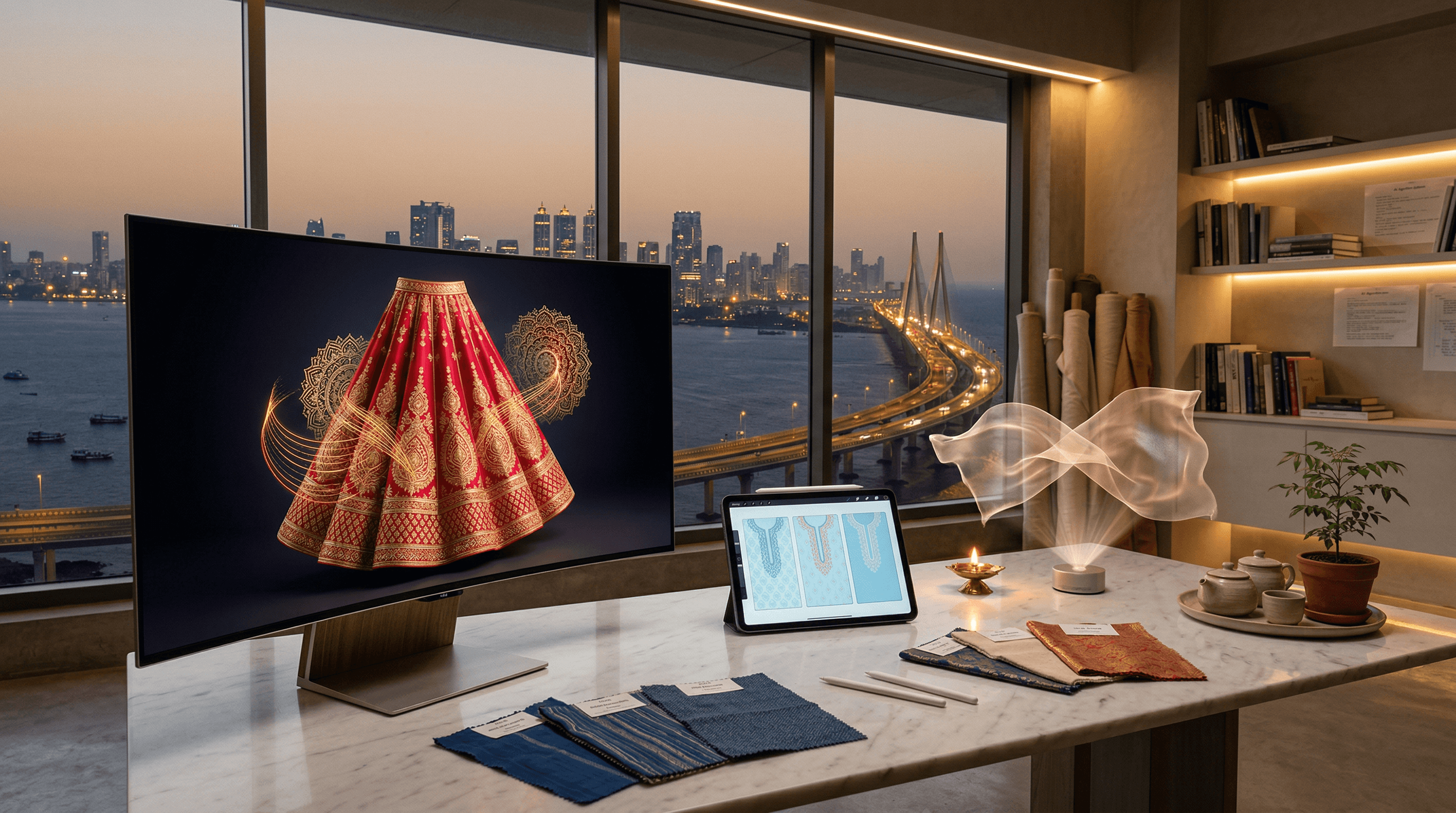
Bangalore designer Priya Rao generated digital dupattas via Midjourney. Her designs merge Mughal motifs with neural fractals, directly inspired by Lamy's AI fashion insights.
Venture Capital Drives AI-Textile Fusion
Venture capital surges in AI-textile startups despite crypto volatility. Sequoia India committed INR 100 crore (USD 12 million) to Delhi's ThreadGen on April 8, 2026. ThreadGen develops blockchain platforms verifying organic khadi and mulberry silk supply chains.
These platforms ensure traceability from farm to fabric, complying with DPIIT sustainability norms. A Chennai label sold 500 AI-generated saree NFTs at INR 2 lakh (USD 2,400) each on OpenSea last quarter. Blockchain traces fibers from Tamil Nadu cooperatives, countering fast-fashion waste.
Lamy stressed AI ethics in her interview. India's MeitY mandates data transparency for AI tools starting July 2026, with fines up to INR 10 crore for violations.
Global Partnerships Influence Indian Innovators
Lamy partners with Rick Owens on tech-infused collections. Their April 2026 line features AI-driven 3D-printed accessories using titanium-infused PVD finishes. Lamy referenced Zohran Mamdani's March 2026 tech equity bill as a model.
Mamdani's policy influences NITI Aayog's AI strategy update on April 10, 2026. South Asian SMEs leverage it for equitable tech access. This aligns with PLI scheme incentives, boosting MSME adoption by 35% per FICCI data.
Lakme Fashion Week Tests AI Innovations
Mumbai's Lakme Fashion Week deployed AI-powered catwalks on April 9, 2026. Virtual fittings optimized lehenga embroidery, cutting waste by 30% according to event organizers. AI algorithms predicted sizing for 5,000 attendees.
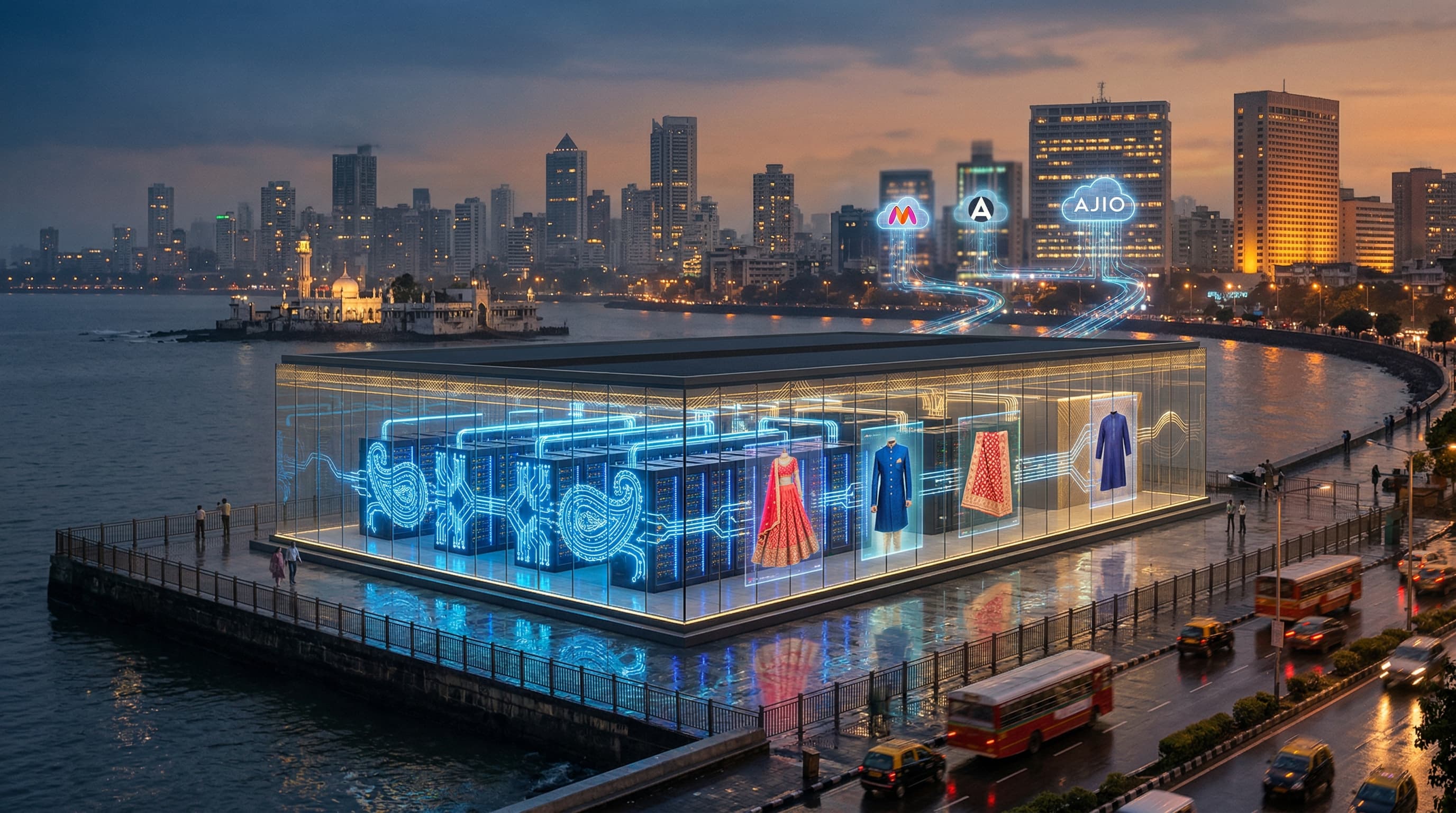
Kolkata designer Arjun Singh integrates Google Cloud Vision for pattern forecasting. His label reported 40% quarter-on-quarter sales growth in MCA filings for Q1 2026. This ties to rising demand on Myntra and Ajio platforms.
AI Tackles Textile Sustainability Challenges
A Hyderabad firm recycles 10 tons of Tamil Nadu handloom waste monthly. It salvages INR 5 crore (USD 600,000) in value, FICCI states on April 10, 2026. AI sorts fibers by denier count and composition for reuse.
Delhi designers customize sherwanis via Stable Diffusion for wedding seasons. Chennai innovators simulate breathability in tropical cottons, securing moisture-wicking certifications from SITRA. These enhancements support exports under PLI schemes.
The PLI scheme subsidizes AI adoption for textile MSMEs with INR 1,500 crore allocation. DPIIT data shows exports rose 15% year-on-year to INR 1.2 lakh crore in FY26.
Funding and Fintech Boost D2C Growth
Accel pledged USD 20 million (INR 167 crore) to Bengaluru AI fashion startups last week. These tools enable D2C personalization on Myntra and Ajio, lifting conversions by 20% per internal pilots.
Ethnic wear NFT volumes reached INR 50 crore (USD 6 million) in Q1 2026, per NonFungible.com. HDFC Bank offers 9% interest loans for AI upgrades, RBI announced April 10, 2026.
AI software imports incur 18% GST, but local SaaS solutions qualify for input tax credits under new MeitY guidelines. This reduces costs by 12% for SMEs, Wazir Advisors estimates.
AI-Human Symbiosis Defines Future Trends
Lamy predicts AI-human symbiosis dominating by 2030. FDCI schedules AI workshops after Lakme Fashion Week 2026 to train 500 designers.
McKinsey forecasts USD 1 billion in South Asian AI fashion investments by 2028. Indian innovators balance cutting-edge tech with artisanal crafts, guided by Lamy's AI fashion insights. This positions India as a global leader in sustainable fashion tech.