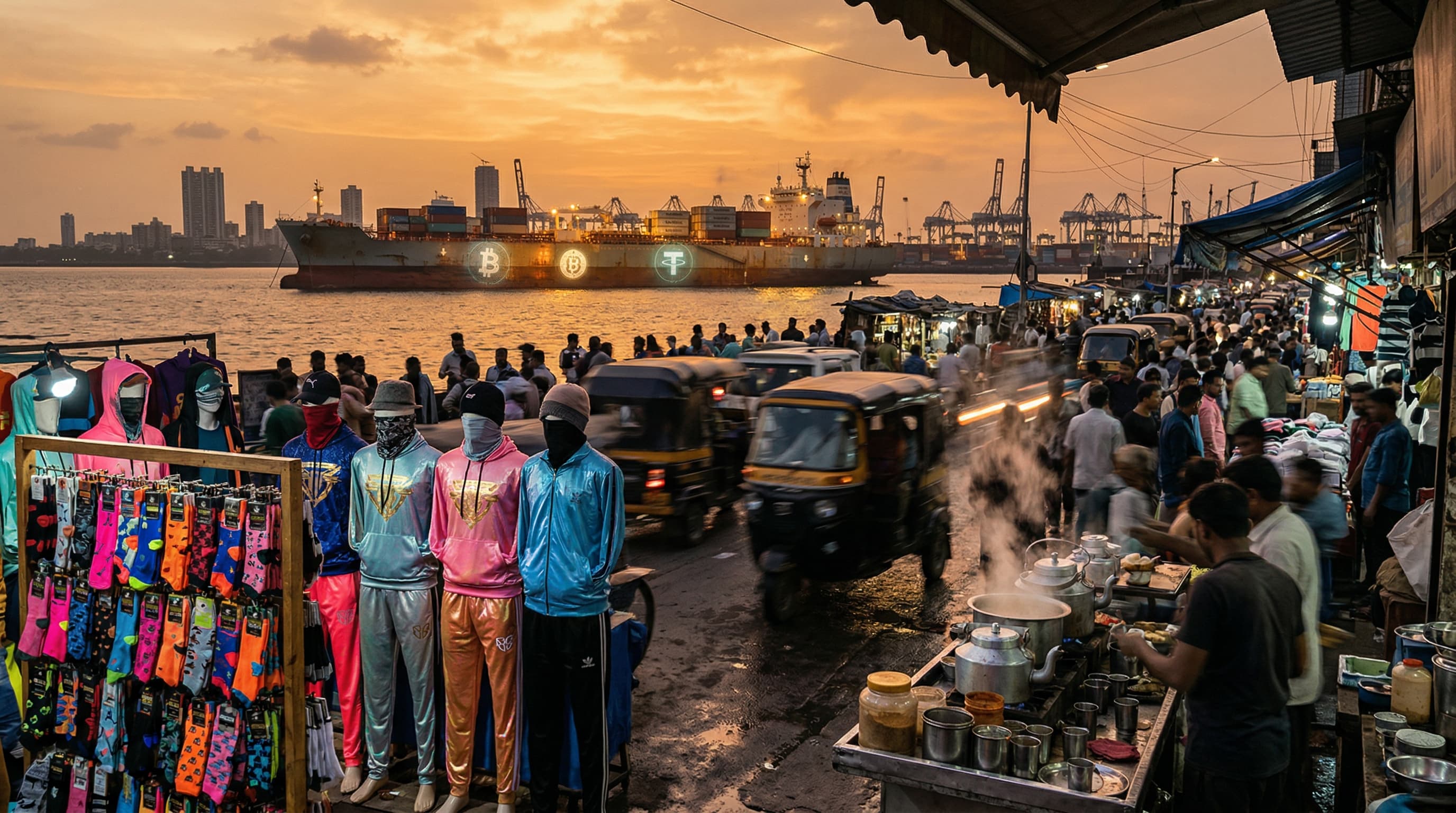
Iran's crypto tanker tolls, launched April 10, 2026, accept Bitcoin (BTC) and USDT for Strait of Hormuz passage fees. South Asian textile importers secure 15-20% cheaper petrochemicals, boosting polyester and nylon output (Petrochem India Association).
CoinDesk reported the launch on April 10, 2026. Iranian tankers bypass U.S. sanctions through blockchain payments. Naphtha prices fall to INR 65,000 per tonne ($780 USD equivalent, April 10 rates).
Iran's Crypto Tanker Tolls Evade Sanctions
Blockchain delivers anonymous, instant toll settlements. Tankers dodge USD-based tracking systems. Petrochemical cargoes arrive at Mumbai and Chennai ports undetected.
BTC surges 2.8% to $72,968 USD on April 10, 2026 (CoinMarketCap). Crypto Fear & Greed Index reaches 16, indicating extreme fear (Alternative.me). Volatility supports Iran's bold export push.
Indian polyester firms cut fabric costs by INR 50 per meter. Tirupur knitwear producers ramp up output for exports and domestic streetwear.
Cheaper Petrochemicals Fuel Synthetic Fabrics
Naphtha drives polyester and nylon production. India manufactures 5.5 million tonnes of polyester annually, holding 10% of global supply (Ministry of Textiles, FY25 data).
The polyester staple fibre segment hit INR 85,000 crore in FY25 (CMAI). Lower naphtha costs lift margins 3-5% (Wazir Advisors, Q1 2026). Durable synthetic blends power streetwear lines.
Delhi designers buy affordable yarns for joggers, hoodies, and graphic tees. Myntra logs 25% growth in synthetic sock sales (Q1 FY26 earnings). Ajio records 18% year-over-year urban streetwear demand rise.
Streetwear Boom Powers Mumbai and Delhi Markets
Mumbai's No Borders brand offers polyester joggers below INR 2,000 ($24 USD). Synthetics ensure affordability with solid quality.
Delhi fast-fashion hubs use Iranian naphtha-derived yarns. Graphic tees rule Sarojini Nagar at sharp prices.
Bangalore D2C brands add crypto payments. Ethereum rises 3.3% to $2,242.77 USD, fueling NFT apparel drops. Indian apparel market reaches INR 5 lakh crore, with synthetics fueling 40% casual wear growth (CMAI FY25).
Tirupur Socks Capitalize on Cost Savings
Tirupur ships 500 million sock pairs yearly, valued at $400 million USD (AEPC). Synthetics claim 70% share (Sock Manufacturers Association of India, April 10, 2026).
Export prices drop to $1.50 USD per pair. EU and U.S. orders climb 12%. Firms install automation for higher volumes.
Reliance Industries uses crypto wallets for transactions. Blockchain trims finance costs 10%, aiding margins under 18% GST on synthetics. PLI scheme's INR 4,000 crore for MMF accelerates expansions.
Sustainability Blends with Synthetic Affordability
Brands blend 40% recycled polyester with virgin fibers. Masaba Gupta prices collections at INR 3,500 ($42 USD) with verified recycled content.
Handloom supporters resist, but synthetics lead streetwear. Blockchain verifies fiber origins for transparency.
Wedding season nears. Mumbai ateliers pair synthetic lehengas with bold socks for festive sales.
Tech and Finance Transform Supply Chains
DeFi smart contracts settle tanker tolls. WazirX handles rising South Asian crypto flows.
INR stablecoin volumes jump 30% (CoinDCX, April 10, 2026). Nykaa Fashion and Ajio pilot USDT for textiles.
A $50 million USD fund targets Bangalore textile tech startups. Investments focus on AI supply chain tools and blockchain traceability under DPIIT's digital mission. Crypto stabilizes returns amid swings.
South Asia-Wide Adoption Accelerates
Chennai plants make nylon-blend socks for humid weather at INR 300 ($3.60 USD) retail.
Colombo sources polymers for athleisure, beating China costs by 12%.
Delhi pop-ups capitalize on BTC rallies for quick prototypes and sales.
Outlook: 22% Import Growth Ahead
Iran's crypto tanker tolls scale to 50 vessels by June 2026. South Asia petrochemical imports rise 22% (ICRA Ratings forecast).
FDCI Lakme Fashion Week on April 20 highlights synthetics. Savings drive D2C and export innovation.
USDT maintains $1.00 USD peg. Stablecoins sharpen Indian fashion's global edge.