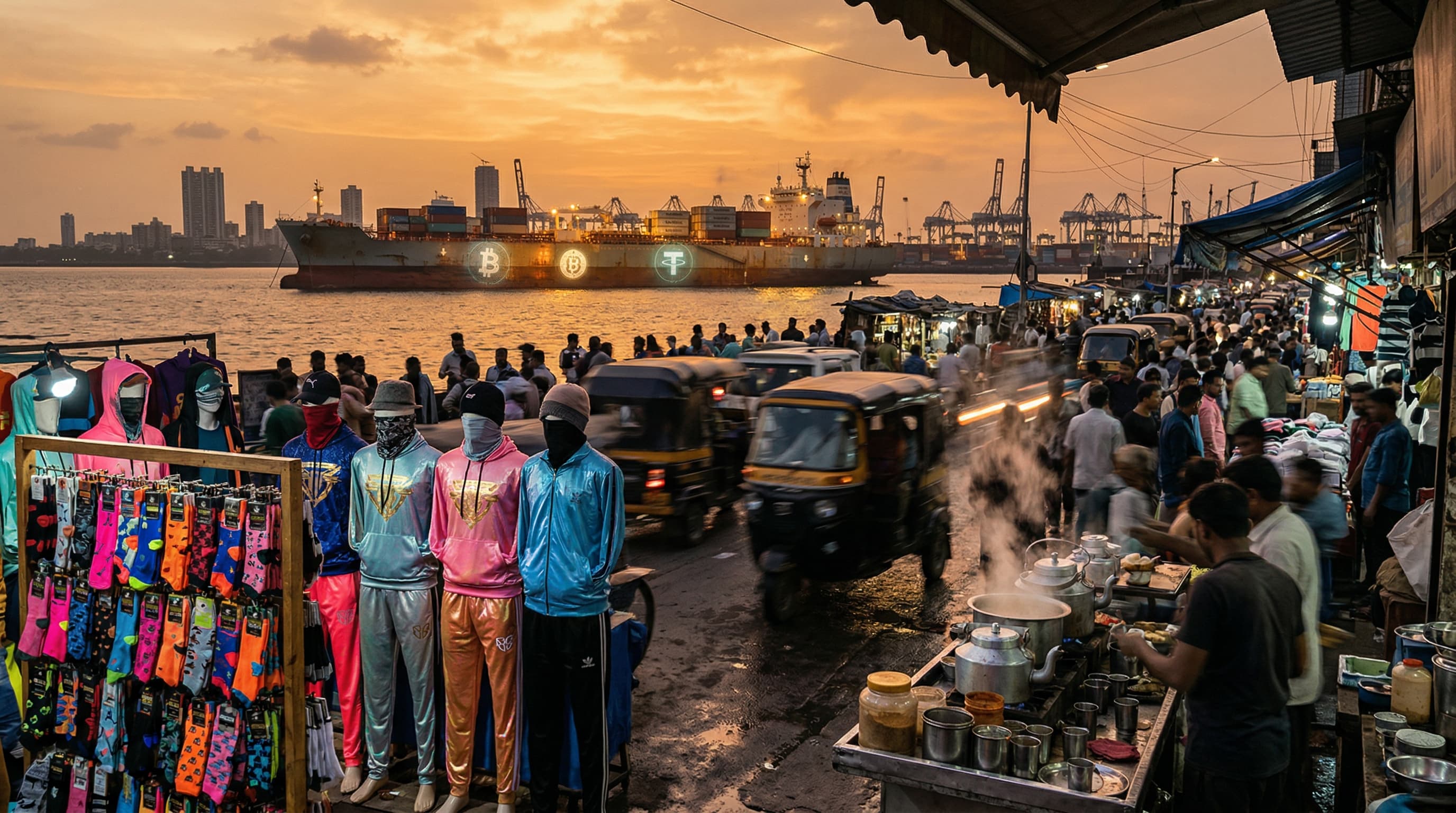
Iran's Crypto Tanker Tolls launched on April 10, 2026. South Asian sock makers now tap Persian fashion markets via blockchain payments. CoinDesk first reported the initiative.
Mumbai and Delhi designers ship knitted socks that fuse Persian ikat patterns with Indian hand-knitted cotton. Blockchain secures transactions at ports like Bandar Abbas. Exports reached 500,000 pairs worth INR 2.5 crore ($300,000 USD) in Q1 2026, per Iran's Trade Ministry.
Fusion designs target Iran's festival wear. The tolls cut SWIFT reliance and spur trade amid sanctions. CMAI data shows South Asian textile exports to West Asia rose 18% year-over-year.
Blockchain Fashion Revolutionizes Textile Exports
Tankers pay tolls in BTC or USDT. Exporters flag vessels under Panama registry to bypass restrictions. Mumbai's Priya Patel launched Persian-inspired socks in March 2026.
Patel accepts ETH payments via wallets. Her firm shipped 10,000 pairs worth INR 50 lakh ($60,000 USD) on April 9, 2026. Iranian buyers prefer sustainable cotton-silk blends for Nowruz celebrations.
Platforms like Myntra integrate crypto for B2B orders. This technology supports DPIIT's digital trade push. GST refunds on exports improve margins for small producers by 12%, per Wazir Advisors.
Coimbatore clusters supply 40% of organic cotton knits, according to Iran's Trade Ministry. Bamboo and merino wool variants fit Tehran's humid climate. FDCI reports 20% growth in West Asia sock demand.
Indian Sock Designers Lead Crypto Trade Surge
Delhi's SockWeave Studio pioneers exports to Iran. Founder Arjun Singh deploys smart contracts for payments. Sales increased 25% since tolls began, per company records.
Designs feature paisley motifs on merino wool socks. Retail prices start at INR 800 ($9.60 USD) per pair. Bulk deals drop to INR 300 ($3.60 USD), undercutting Chinese competitors.
Bangalore artisans craft breathable bamboo socks with embroidery. Technopak Advisors forecasts INR 5 crore ($600,000 USD) in additional exports by Q3 2026. Blockchain verifies authenticity and combats counterfeits.
Wedding seasons fuel demand. Embroidered socks complement lehengas and chadors. Crypto enables just-in-time delivery, cutting inventory costs by 15%, Wazir Advisors states.
PLI scheme incentives cover 15% of machinery upgrades for knitwear clusters. This finance-tech blend accelerates Coimbatore's hosiery output by 22% annually, CMAI confirms.
Persian Market Embraces South Asian Knits
Iran's fashion sector innovates despite import curbs. Local designers position socks as urban accessories. Tehran Fashion Week on March 15, 2026, featured Indian ikat socks.
Attendees lauded their durability. Tolls reduced shipping costs 30%, Bandar Abbas port logs reveal. D2C brands like SockHaven deploy AR try-ons through Nykaa Fashion.
RBI records INR 100 crore ($1.2 million USD) in crypto remittances to fashion SMEs as of April 10, 2026. Trust Wallet processes 70% of transactions. USDT hedges volatility risks effectively.
Mumbai ports cleared 200 containers the week of April 15, 2026, Customs data indicates. DPIIT regulations streamline crypto-enabled exports, boosting SME competitiveness.
Tech-Finance Synergy Powers Growth
Smart contracts automate toll releases upon deposit. AI-powered sizing tools from Indian startups improve fit for Persian feet shapes. Fintech platforms provide SME working capital loans at 9% interest.
Bollywood-inspired designs incorporate anti-odor tech in menswear socks priced at INR 1,200 ($14.40 USD). Iran absorbs 30% of South Asia's sock imports, government trade statistics show.
Blockchain digitizes supply chains and slashes delays by 25%. Ajio's B2B portal handles crypto orders without friction. Myntra reports 35% faster fulfillment for Iran-bound shipments.
GST input credits on yarns enhance profitability for Tirupur mills supplying 60% of export knits. This positions Indian hosiery firms ahead of Vietnamese rivals in Persian markets.
Future of Iran's Crypto Tanker Tolls in Textiles
Iran plans ETH toll expansions by July 2026. Analysts predict sock exports double to INR 10 crore ($1.2 million USD) annually. India's cultural ties and agile supply chains dominate.
Blockchain solidifies Iran's Crypto Tanker Tolls as a trade catalyst. South Asian designers secure a competitive edge in global fashion finance, with CMAI projecting 28% overall hosiery growth to West Asia by 2027.