Muhlenberg College launched its Bachelor of Arts in applied AI online on April 11, 2026. The program targets South Asian sock designers mastering pattern recognition and trend forecasting. Enrollment opened immediately for working professionals in India. (28 words)
Mumbai and Delhi designers enrolled on launch day. They aim to thrive in India's Rs 15 lakh crore ($180 billion) fashion and apparel market, per Statista's 2025 projections. Total tuition stands at Rs 29.5 lakh ($35,000), payable in flexible instalments.
Program Structure Enhances Accessibility for Designers
Muhlenberg tailored the BA for part-time adult learners. Students finish in 3-4 years via asynchronous modules. Core courses include machine learning foundations, neural networks, and AI ethics in creative industries.
The fully online format aligns with India's festival seasons like Diwali and weddings. College officials report 500 enrollments on day one. Live sessions begin at 8 PM IST to suit working hours.
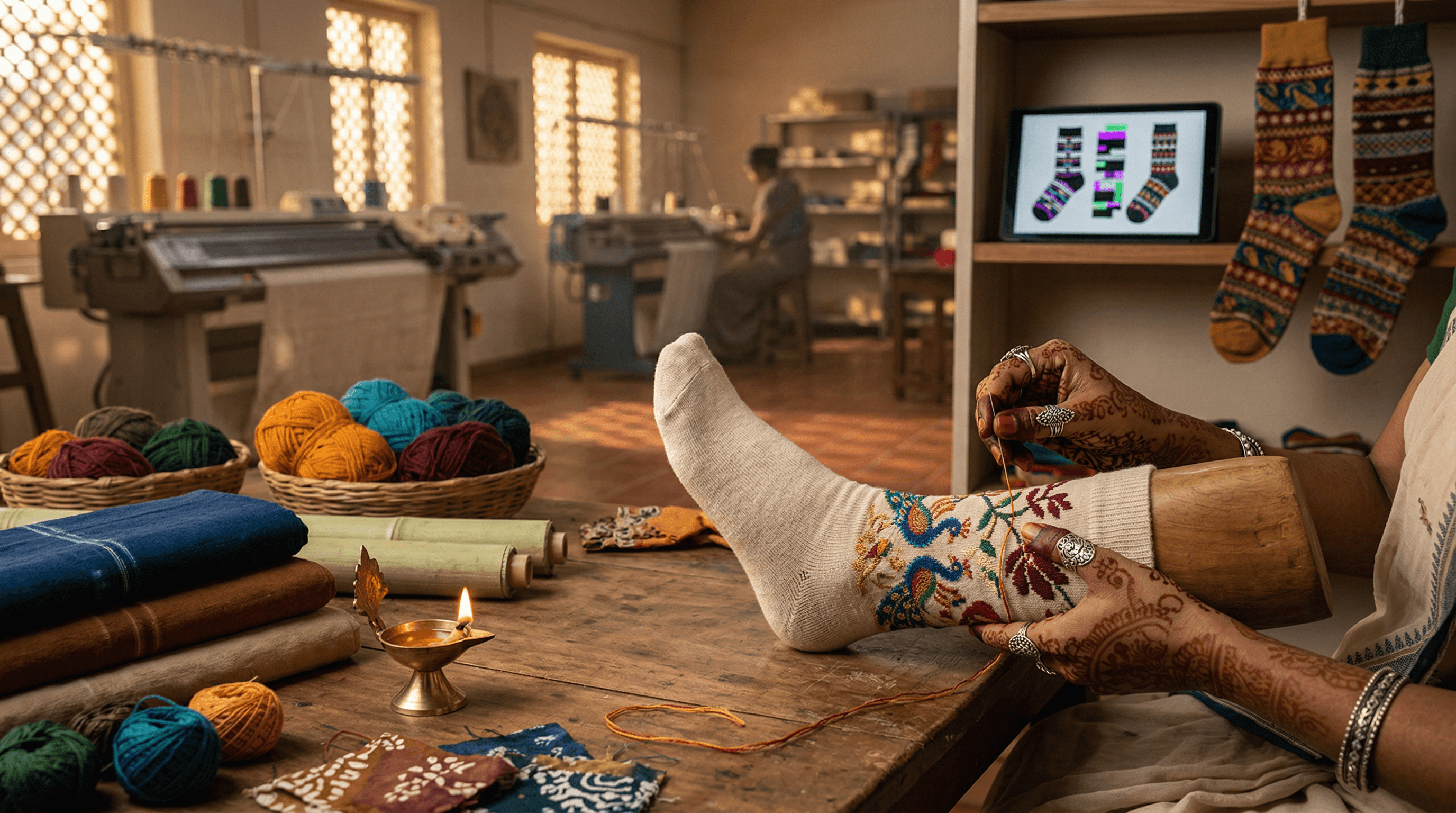
Specialized AI modules emphasize computer vision applications. Learners train models on sock patterns inspired by Bandhani tie-dye and Ikat resist-dyeing techniques from Gujarat and Telangana. They gain hands-on skills with TensorFlow and PyTorch frameworks.
India's textile professionals value this flexibility. The program integrates with DPIIT's Samarth platform for skill certification, boosting employability under the PLI scheme for textiles.
AI Revolutionizes Sock Pattern Recognition
Designers in Bangalore deploy AI to scan traditional motifs. Algorithms detect Bandhani dots or Ikat threads, generating variations 40% faster, according to IBM Watson Media case studies.
These tools flag defects in prototypes early. Production waste drops by 25%, per Wazir Advisors' 2025 textile tech report. Brands like SockTown and Hosiery Hub already integrate similar systems.
Muhlenberg collaborates with Google Cloud for scalable computing. Students develop apps analyzing Instagram Reels for sock prints, targeting youth in Chennai and Colombo.
This tech addresses hosiery sector challenges. Printed motifs on cotton-poly blends must withstand 40 washes, meeting BIS standards. AI ensures precise replication without skilled artisan dependency.
AI Enables Precise Trend Forecasting
AI models process social media data to predict sock trends. They analyze 1 million X (formerly Twitter) posts daily, forecasting neon stripes or bamboo fiber surges.
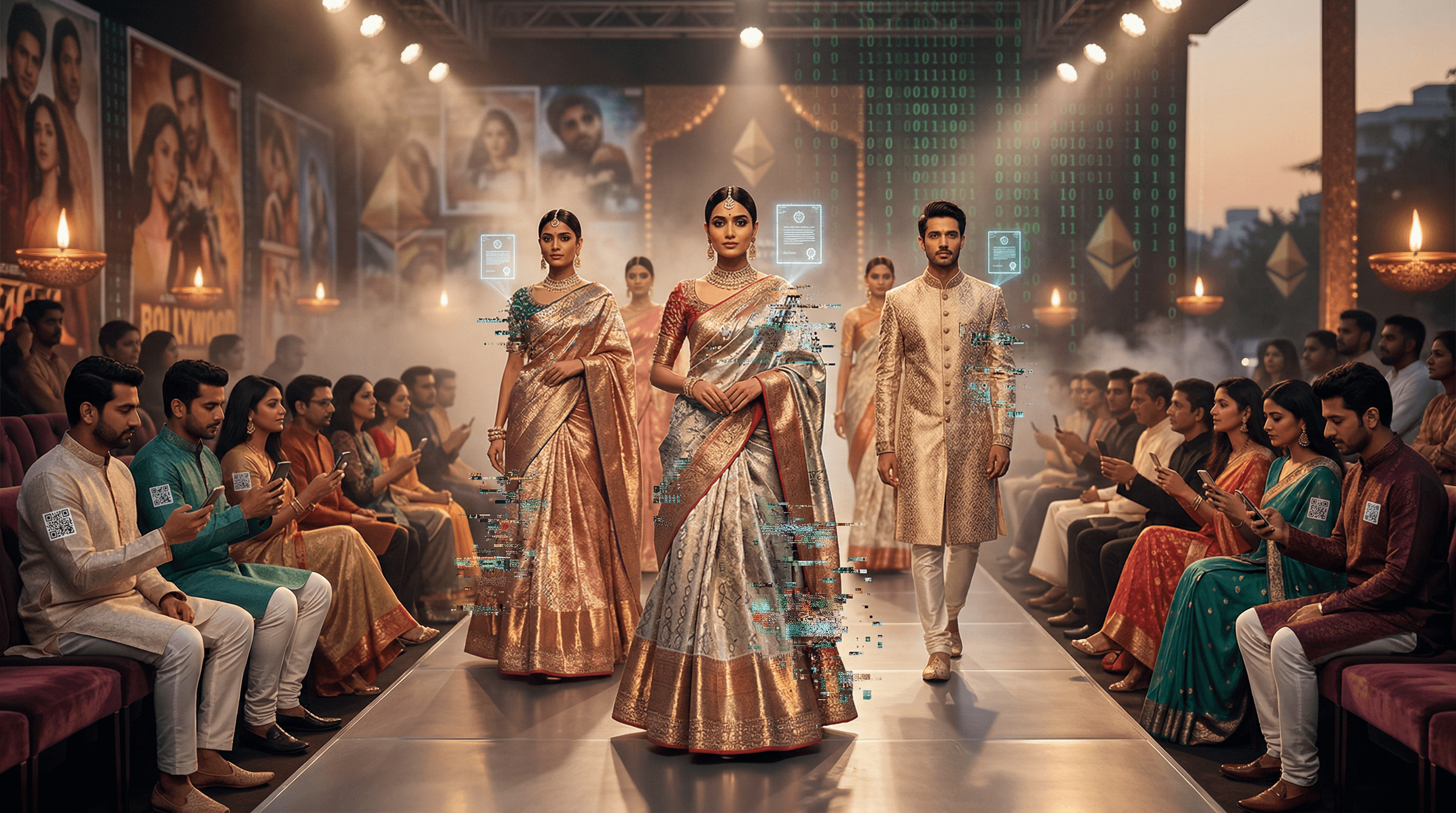
Wedding seasons drive 30% demand spikes, per CMAI data. AI scans Bollywood premieres for lehanga-matching palettes. Designers produce coordinated socks weeks ahead.
Nielsen's 2025 consumer insights show AI boosts D2C sales 18% for brands like Bewakoof and The Souled Store. Muhlenberg students validate models on Myntra datasets, achieving 85% accuracy.
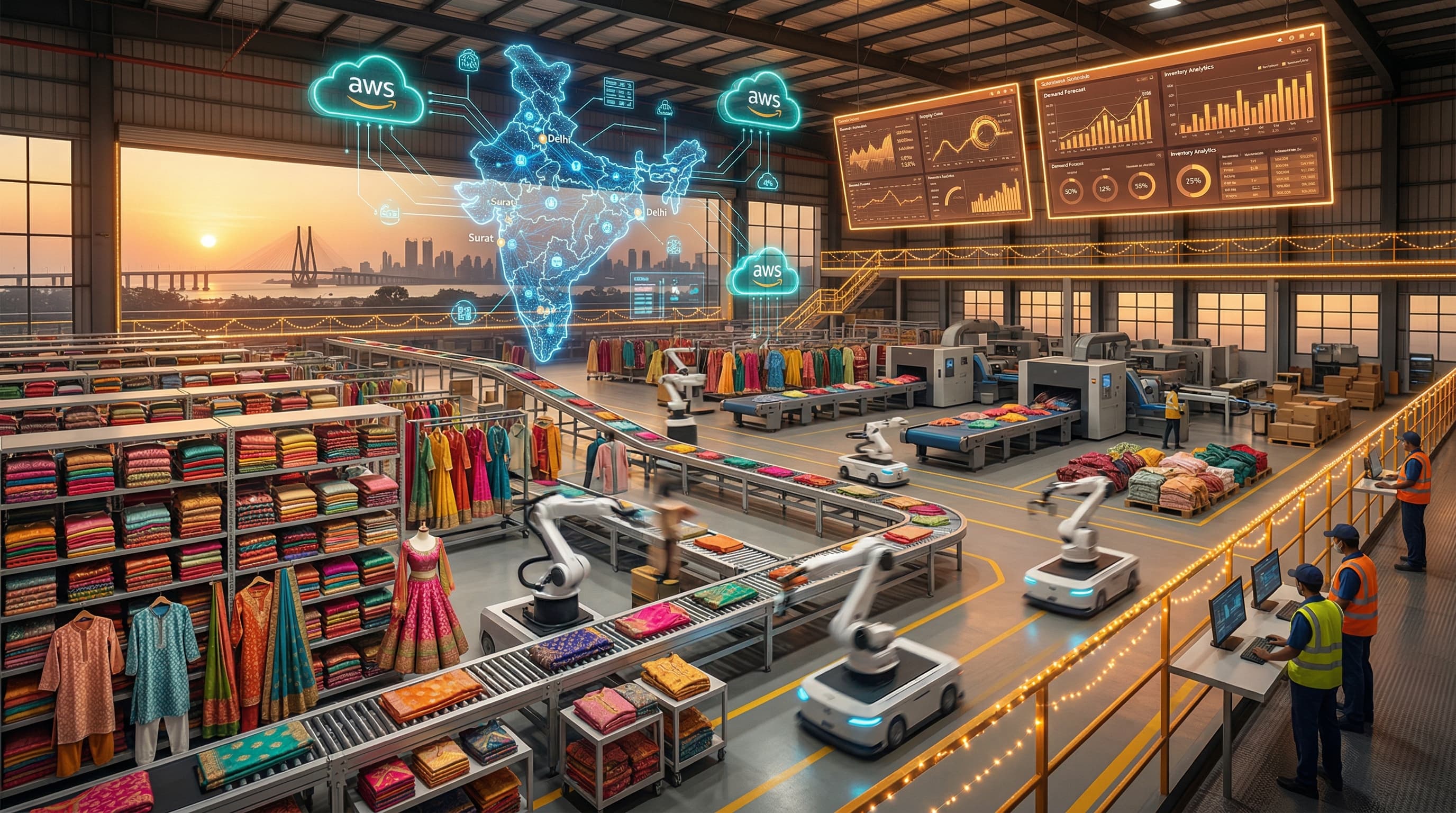
Platforms like Ajio and Nykaa Fashion amplify reach. Trend data feeds into supply chains, reducing overstock by 15% amid GST inventory norms.
Core Tech Stack Powers Innovation
Graduates master Python, OpenCV for vision tasks, and edge AI deployment. Prototyping costs plummet to Rs 5,000 per pair from Rs 12,000.
Blockchain integration verifies handloom authenticity. Students create NFT sock designs, drawing fintech investors from Razorpay Ventures.
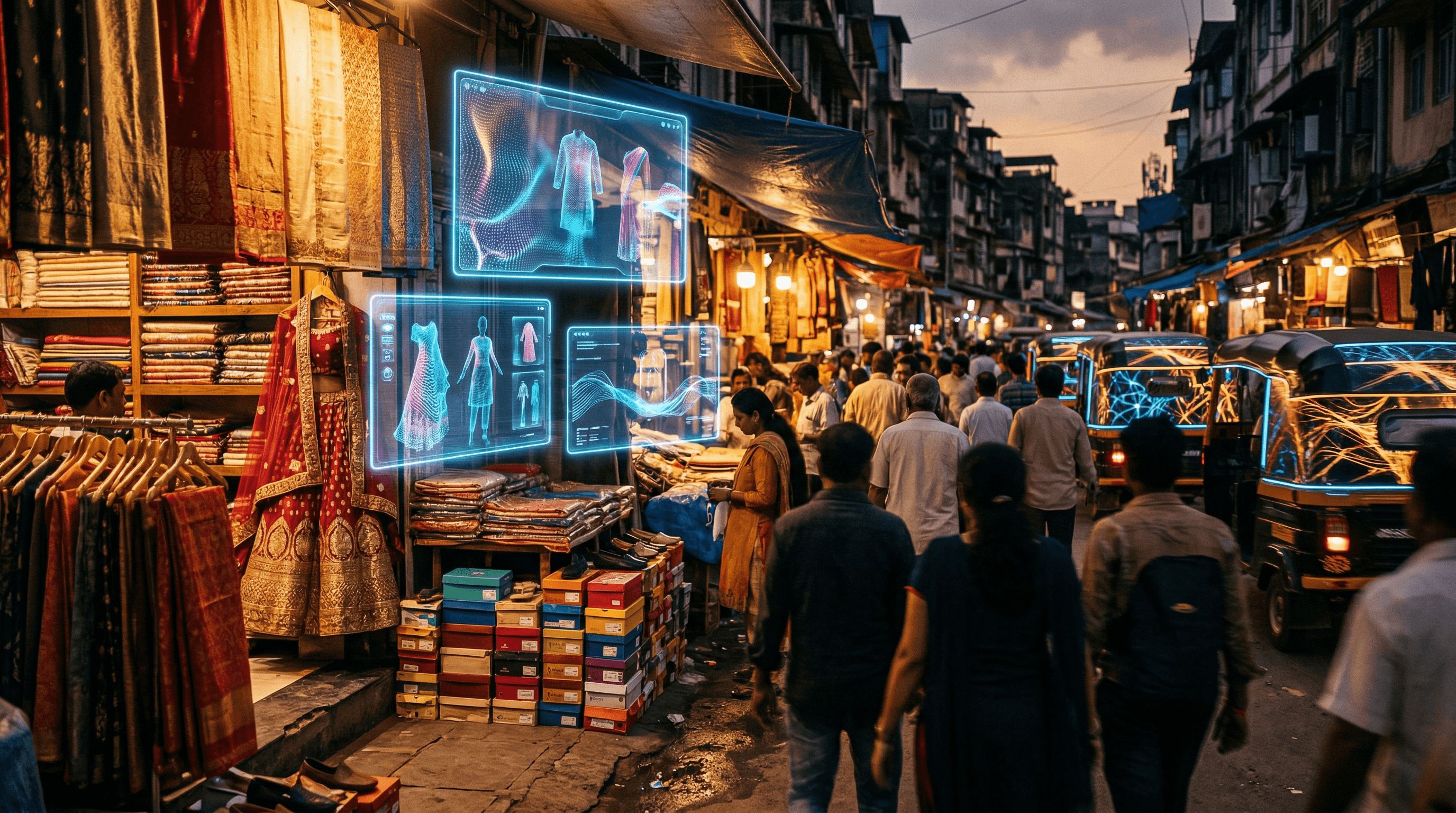
AR modules simulate try-ons for e-commerce. This aligns with Myntra's AI sizing tech, cutting returns 20% in monsoon collections.
Expansive South Asian Market Awaits Graduates
India's hosiery market grows 12% annually to Rs 2,000 crore by 2028, FICCI estimates. AI-savvy experts earn Rs 15 lakh average salaries, up 50% from Rs 10 lakh baseline.
Kolkata artisans revive handloom-inspired socks. AI optimizes reactive dyeing for diverse South Asian skin tones. Festival sales soar on Ajio during Navratri.
Muhlenberg alumni network at FDCI x Lakme Fashion Week. Graduates pitch sustainable lines, slashing water use 30% via precision looms.
Exports to UAE and US benefit from zero GST on education-linked upskilling. PLI incentives cover machinery for AI-optimized factories.
Compelling Financial ROI for Indian Professionals
Tuition recovers in 18 months via salary hikes. LinkedIn Economic Graph data shows 22% earnings premium for AI skills.
Skill India subsidies offset 20% costs for Indians. Five-year ROI reaches 300%, per Technopak analysis of edtech returns.
Finance analysts urge enrollment now. D2C valuations for AI fashion startups hit Rs 500 crore, mirroring Zilingo's trajectory.
AI Forges Future of Regional Fashion
Delhi innovators craft monsoon-proof athleisure socks. AI customizes compression fits for 95% accuracy.
Mumbai leads vegan leather hosiery. Quarterly curriculum updates add supply chain blockchain.
Muhlenberg blends global AI with Indian crafts like Chanderi prints on blends. Graduates gain edges pitching to Sabyasachi or Manish Malhotra.
This degree positions South Asian designers at the nexus of heritage and tech, fueling Rs 50,000 crore technical textiles growth by 2030.