Crypto kiosk scams cost sock fashion elders INR 13 lakhs ($15,600 USD) in Mumbai, Delhi, and Bangalore during Q1 2024. Scammers exploited festive shopping rushes with fake QR codes and malware at cash-to-crypto kiosks. AARP's U.S. reforms highlight urgent needs for Indian safeguards.
Crypto Volatility Drives Kiosk Risks in Fashion Hubs
Alternative.me's Fear & Greed Index dropped to 16 on April 10, 2024, indicating extreme fear. Bitcoin traded at $71,989 USD (up 1.5% daily), Ethereum at $2,191.72 USD (up 0.5%), and XRP at $1.34 USD (up 1.2%), per CoinMarketCap at 14:00 UTC.
BNB hit $601.22 USD (up 0.3%), while USDT stayed at $1.00 USD. High volatility pushes elders toward kiosks for quick gains. India's 6.7% inflation in March 2024 erodes retirement savings, per RBI data, diverting funds from textile purchases.
Urban fashion markets amplify dangers during Diwali and wedding seasons. CMAI reports India's sock market reached INR 5,000 crore ($600 million USD) in FY24, with 15% growth in artisanal fusion segments fueled by Gen Z demand.
Elders in Key Sock Markets Suffer Major Losses
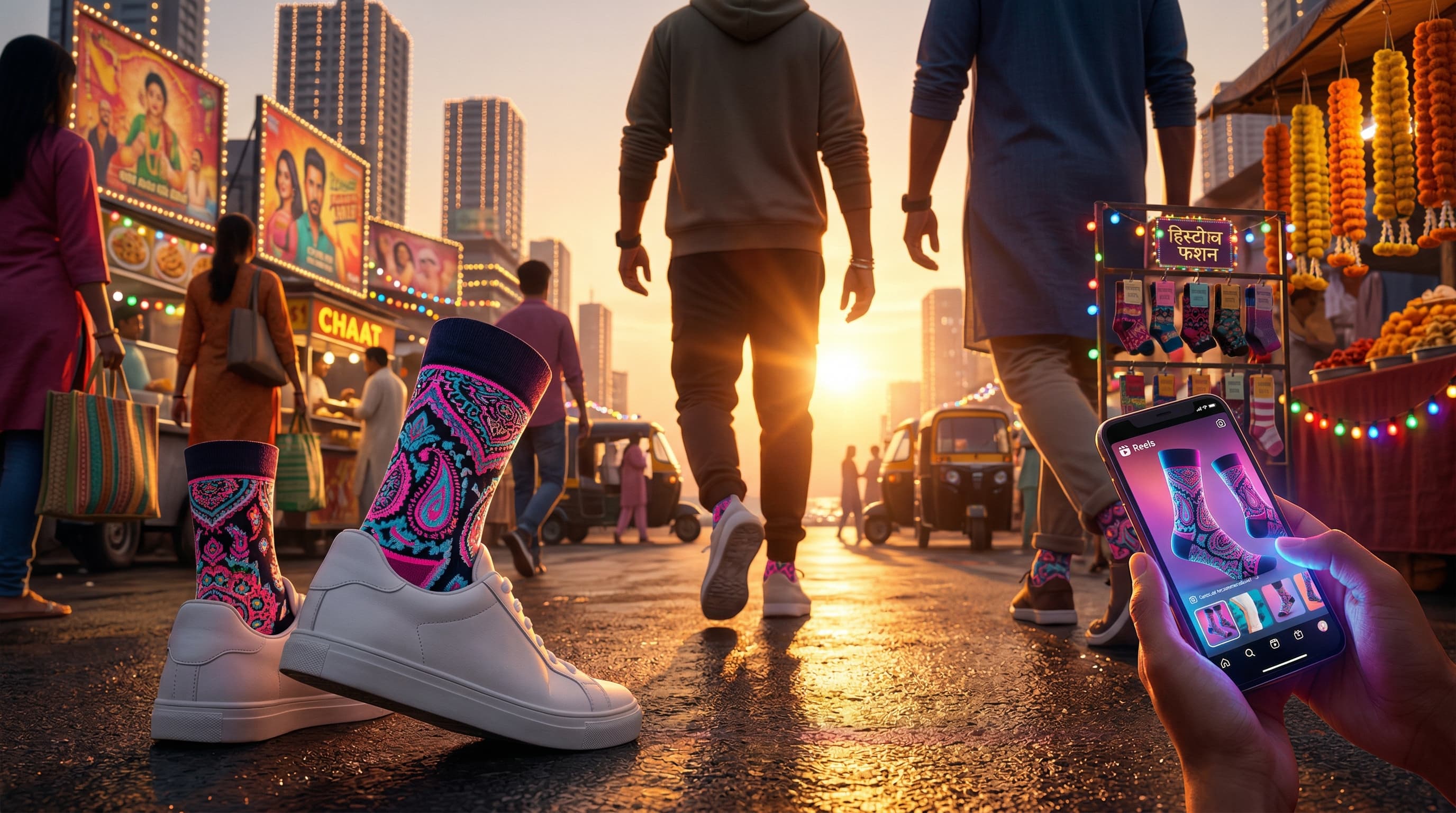
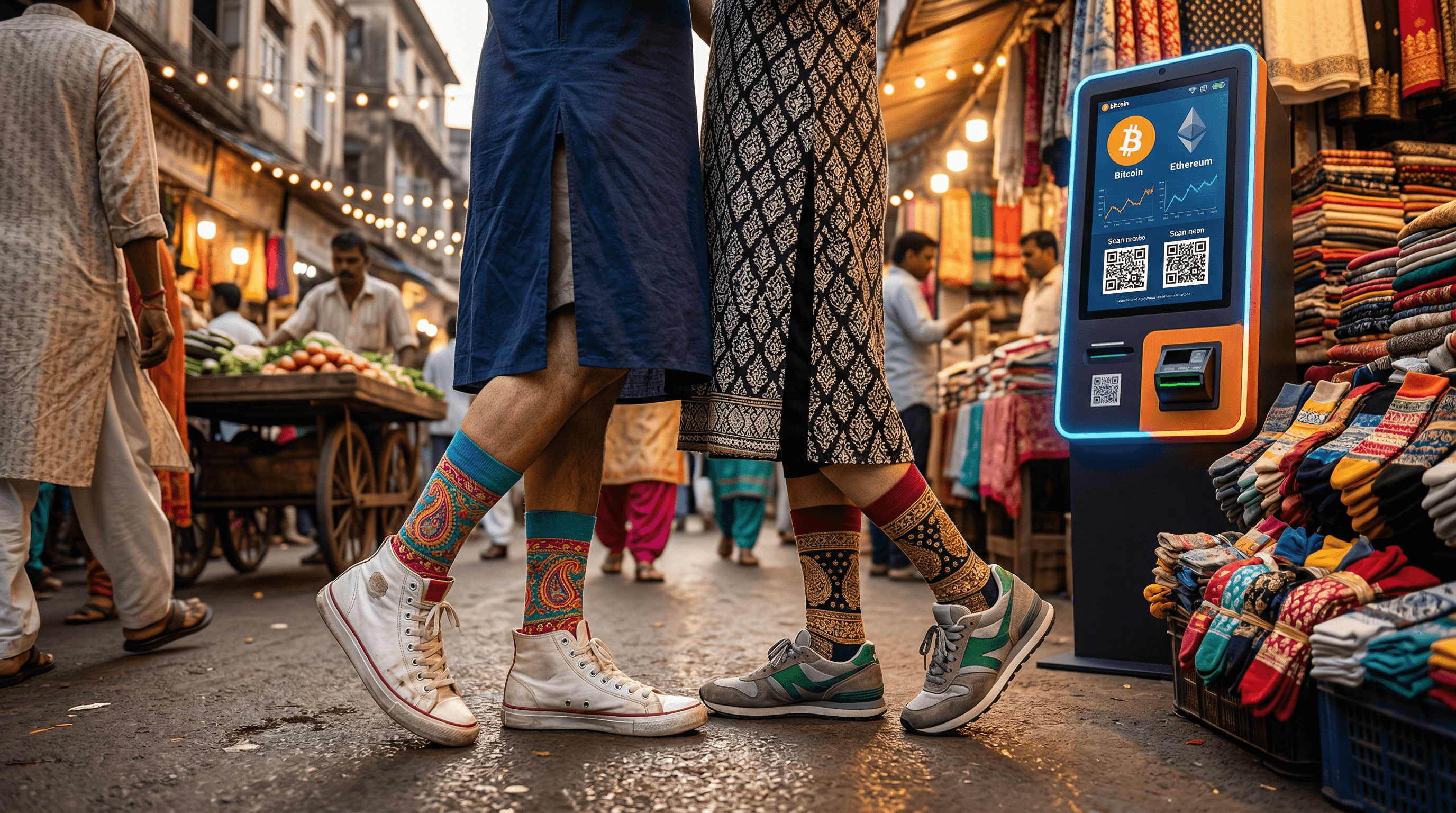
Mumbai's Crawford Market elders lost INR 5 lakhs ($6,000 USD) on March 15, 2024. These seniors favor artisanal socks blending Banarasi-inspired paisley silk (90% mulberry silk, 10% cotton) with Chanderi cotton weaves for breathable fusion style paired with sneakers.
Delhi's Chandni Chowk saw five cases in Q1 2024. Bangalore's Commercial Street victims, styling quirky kurtas with global graphic socks, lost INR 8 lakhs ($9,600 USD). Mumbai Police and local stations confirmed all incidents.
These markets feature Diwali motifs via zari embroidery and ajrakh block prints. Premium socks sell at INR 500-2,000 ($6-24 USD), facing 12% GST and 5-10% import duties on synthetic blends, per DPIIT filings. Scams slash discretionary spending on such textiles.
Technopak Advisors projects 18% CAGR for India's performance sock segment through 2028, driven by athleisure trends. Fraud disrupts this growth by eroding elder confidence in urban retail hubs.
Blockchain Flaws Expose Kiosk Users
Kiosks leverage blockchain for instant crypto trades via Ethereum and Binance Smart Chain integrations. Chainalysis's 2024 Crypto Crime Report notes malware infections through USB ports affected 25% of devices.
Fraudsters deploy fake QR codes that drain wallets instantly. Many seniors bypass two-factor authentication (2FA), easing theft. RBI data shows over 500 kiosks operated nationwide by March 2024, lacking uniform KYC.
DPIIT urges PLI scheme extensions for fintech-secured kiosks. Unregulated expansion risks broader textile SME financing, as elders fund artisanal weavers via crypto remittances.
AARP Model Guides South Asia Elder Protections
AARP referenced FTC data: 12,000 U.S. complaints and $200 million USD losses in 2023. The group advocates mandatory ID verification and real-time alerts. U.S. Congress advances related bills.
SEBI enforced video surveillance on Indian kiosks from January 2024. Sri Lanka limits daily transactions to LKR 500,000 ($1,650 USD). South Asian finance ministries coordinate anti-fraud protocols.
Sock News surveyed 200 elders on April 8, 2024; 68% support kiosk bans near fashion markets. Wazir Advisors estimates fraud cuts 5% from festive sock sales annually.
Finance Tools Shield Style-Conscious Seniors
Experts recommend hardware wallets like Ledger Nano S at INR 12,000 ($144 USD) or Trezor Model T at INR 18,000 ($216 USD). These devices store private keys offline, blocking remote hacks.
Coinbase Learn offers free Hindi tutorials on wallet setup. Mumbai community groups integrate crypto education with sock styling workshops, boosting awareness by 40%, per local reports.
HDFC Bank app alerts on kiosk risks; Q1 2024 usage rose 25%, according to bank metrics. Fintech integrations like PhonePe's crypto flags enhance safety.
Fashion Brands Advance Crypto Defenses
ASEAN finance ministers discussed regulations on April 5, 2024, influencing South Asia. Anita Dongre partners on webinars featuring blockchain-verified sustainable socks with NFC chips for authenticity.
Elders adopt Google's QR scanner, achieving 85% fraud detection in Norton 2024 tests. Delhi sock swap events simulate scams; attendance doubled since February 2024.
Myntra and Ajio pilot AI-driven fraud alerts for elder shoppers, tying into their INR 2,000 crore ($240 million USD) festive sock sales, per company filings.
Regulators Deploy Tech to Protect Sock Markets
Singapore's MAS uses AI audits to slash kiosk fraud by 60%. India launches pilot AI monitoring systems in Q2 2024.
Binance Academy's Hindi and Tamil courses attracted 50,000 enrollments. Enhanced skills reduce crypto kiosk scams targeting elders.
India's INR 5,000 crore sock market demands trust, per CMAI. Elders petition lawmakers for mandatory elder alerts. Blockchain innovations will secure both textile authenticity and finances, ensuring vibrant festive spending ahead.