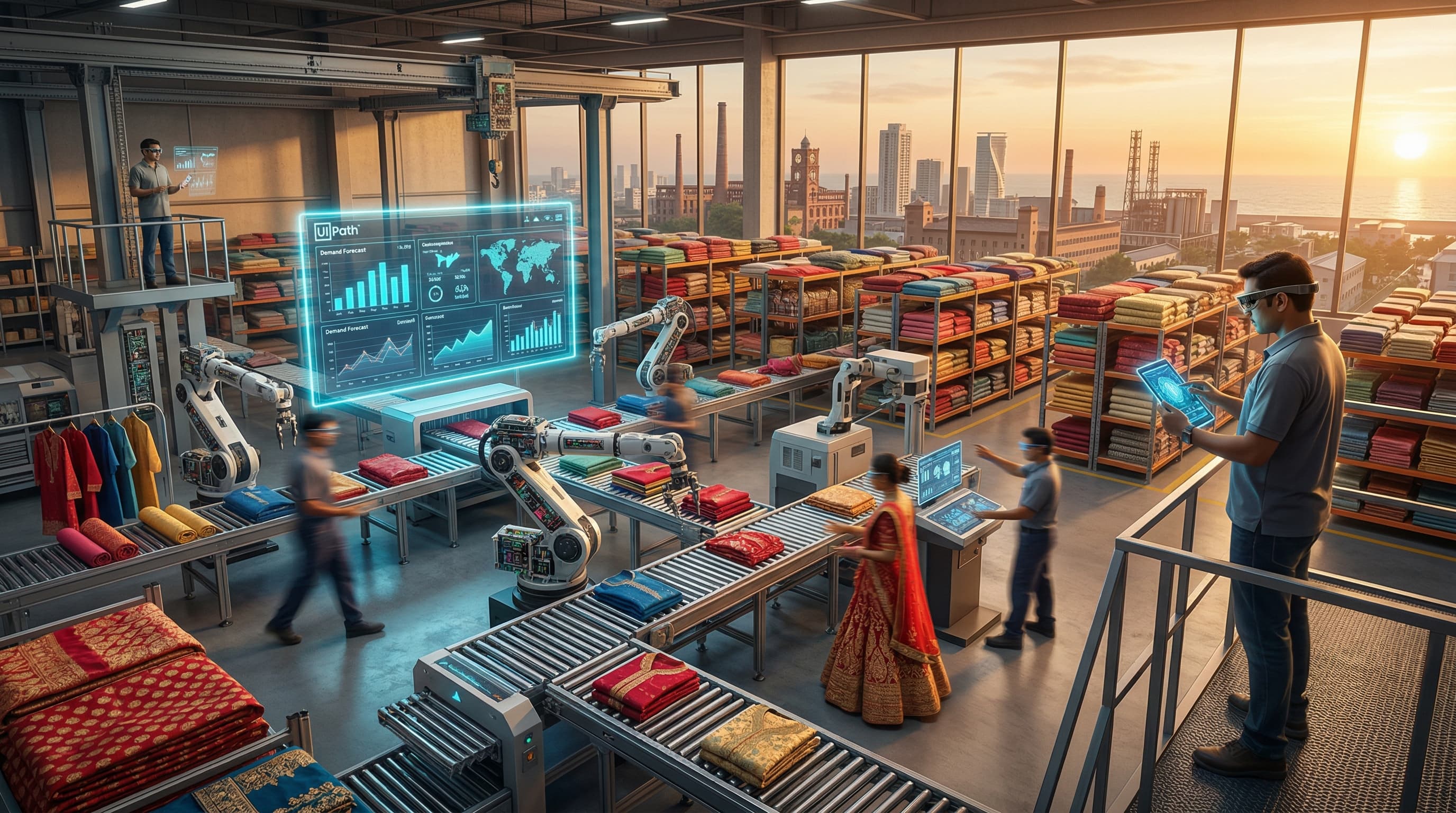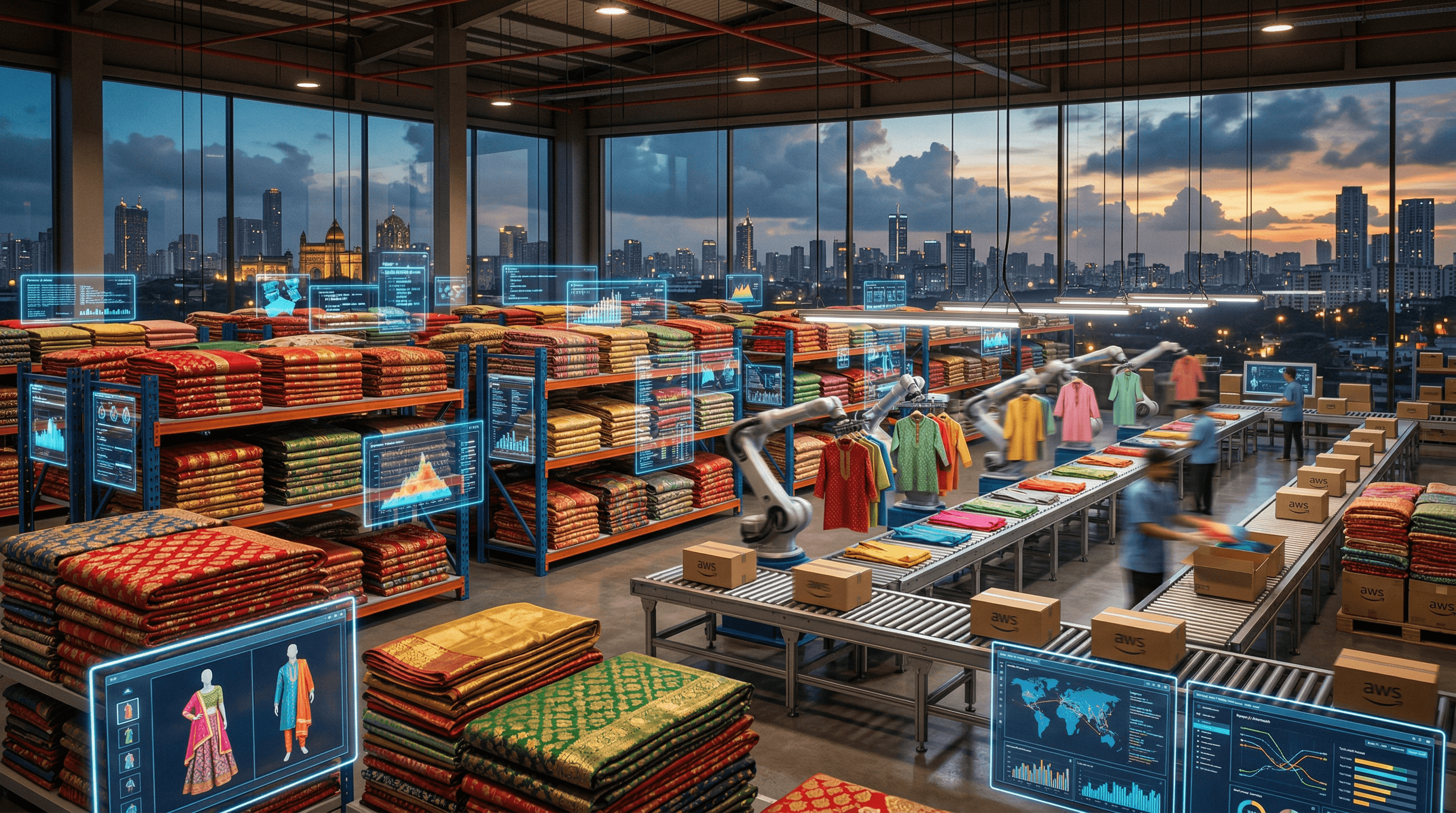
The April 10, 2026 AI Update accelerates fashion-tech in South Asia. Startups deploy generative models for textile design and supply chains. Crypto surges drive 25% YoY VC growth (Tracxn Insights, April 10, 2026).
Mumbai and Delhi firms lead adoption. Investors track the Fear & Greed Index at 15, signaling extreme fear (alternative.me, April 11, 2026). Bitcoin trades at $72,962, up 1.4%. Ethereum hits $2,242, up 2.5% (CoinMarketCap, April 11, 2026). Recoveries prompt AI risk models for fashion portfolios.
Crypto Fuels Fashion-Tech Funding
XRP reaches $1.35, up 0.7%. BNB rises to $607, up 1.0%. USDT holds at $1.00. Delhi's ThreadAI deploys models to predict shifts and guide expansion timing.
Crypto gains enable 50 million INR ($600,000 USD) funding rounds for five startups. PitchBook shows 12 deals last week, including Mumbai's StyleForge at 75 million INR ($900,000 USD) valuation. CMAI data indicates Q1 2026 fashion-tech investments hit 500 crore INR, driven by token sales and NFT collateral (CMAI, April 11, 2026). Wazir Advisors projects 18% CAGR through 2028.
Generative AI Revolutionizes Textile Design
Anthropic releases Claude 4 on April 10, 2026. The model generates saree and kurta patterns with precision. Bangalore's WeaveGen cuts design time 40% (internal benchmarks, April 11, 2026).
Designers input traditional motifs into Claude 4. It adapts them for handloom weaves like Chanderi or Pochampally ikat, distinguishing Banarasi zari from Kanjeevaram threads. This accelerates Diwali festive production. OpenAI's DALL-E 4 produces lehenga visuals. Myntra reports 15% sales lift from these tools (April 10, 2026 data).
Predictive AI Enhances Supply Chains
Google DeepMind launches supply chain AI on April 9, 2026. The tool forecasts Tamil Nadu cotton demand using IMD weather and DPIIT trade data. Chennai mills reduce waste 30% (FICCI, April 11, 2026).
Algorithms predict wedding-season shortages and adjust inventory. Mills save 2 million INR ($24,000 USD) monthly on overproduction. Hyderabad's FabChain merges AI with blockchain for organic tussar silk traceability. This secures 100 million INR ($1.2 million USD) in EU exports, navigating 12% duties.
AR Try-Ons Boost E-Commerce
Meta releases Llama 3.5 on April 7, 2026, powering AR features. Ajio deploys it for dupatta try-ons across body types. Conversion rates rise 22%; returns drop 50% (Ajio data, April 10, 2026).
Indian Institute of Fashion Technology tests AI for kurta-beard styling matches. Men's segment grows 18% (Statista India, April 2026). Flipkart's AI recommenders lift Sabyasachi-inspired sales 20%. Nykaa Fashion adds tech for bridal jewelry pairing, targeting festive peaks on Myntra and Ajio.
AI Drives Sustainability Gains
IBM Watson upgrades sourcing AI on April 8, 2026. It audits Kolkata handloom cooperatives against GOTS and EU REACH standards. Carbon footprints fall 25% (SEWA, April 11, 2026).
AI simulates Gujarat ajrakh block-print dyes, cutting water use 35%. Exporters hold margins under 18% GST with PLI incentives. This supports India's $45 billion textile export target for 2026 (Ministry of Textiles). Technopak notes sustainability boosts premium pricing 15%.
Regional Growth After April 10 AI Update
Delhi designers fuse Western cuts with AI-optimized ethnic fabrics like Bandhani. Anita Dongre partners on prototypes, cutting time 30% (company statement, April 11, 2026). Chennai mills price cotton at 500 INR ($6 USD) per meter despite monsoons.
Sri Lanka's Colombo firms use XRP for FDCI-linked settlements, lifting volumes 15%. NVIDIA's April 6, 2026 GPU update powers virtual Lakme Fashion Week trials, saving 10 million INR ($120,000 USD).
IIT Bombay develops quantum AI prototypes for fabric strength prediction, aiding quality control. Technopak projects 12% CAGR for Indian fashion-tech through 2030. The April 10 AI Update positions South Asia as a fashion-tech powerhouse, scaling tools for festive and global demand.