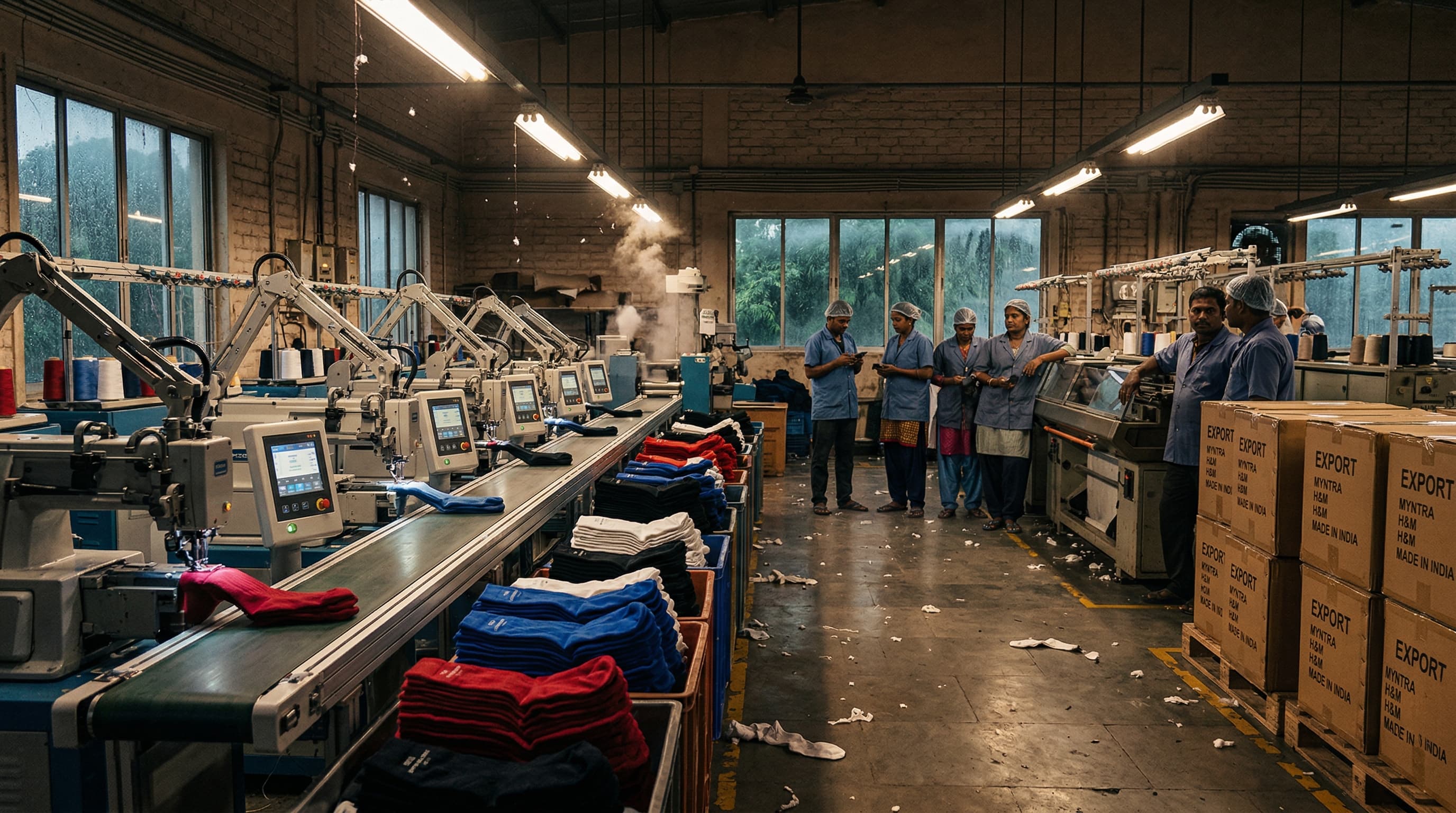
AI job panic hits South Asia sock factories on April 12, 2026. Silicon Valley executives urged companies to halt human hires. Rapid AI advances fuel fears of mass job losses in garment hubs.
Digital Journal reported tech leaders' comments. Leaders cite AI progress in sewing and knitting tasks. India's Tirupur hosiery hub employs 600,000 workers, per Apparel Export Promotion Council data.
Bangladesh garment sector employs four million workers. Socks drive $500 million USD in annual exports, says Bangladesh Garment Manufacturers and Exporters Association.
Silicon Valley Sparks AI Job Panic
Tech giants Google and OpenAI unveiled AI models that automate textile processes. Executives claim humans cost $50,000 USD yearly versus $100,000 USD upfront for AI, per McKinsey Global Institute.
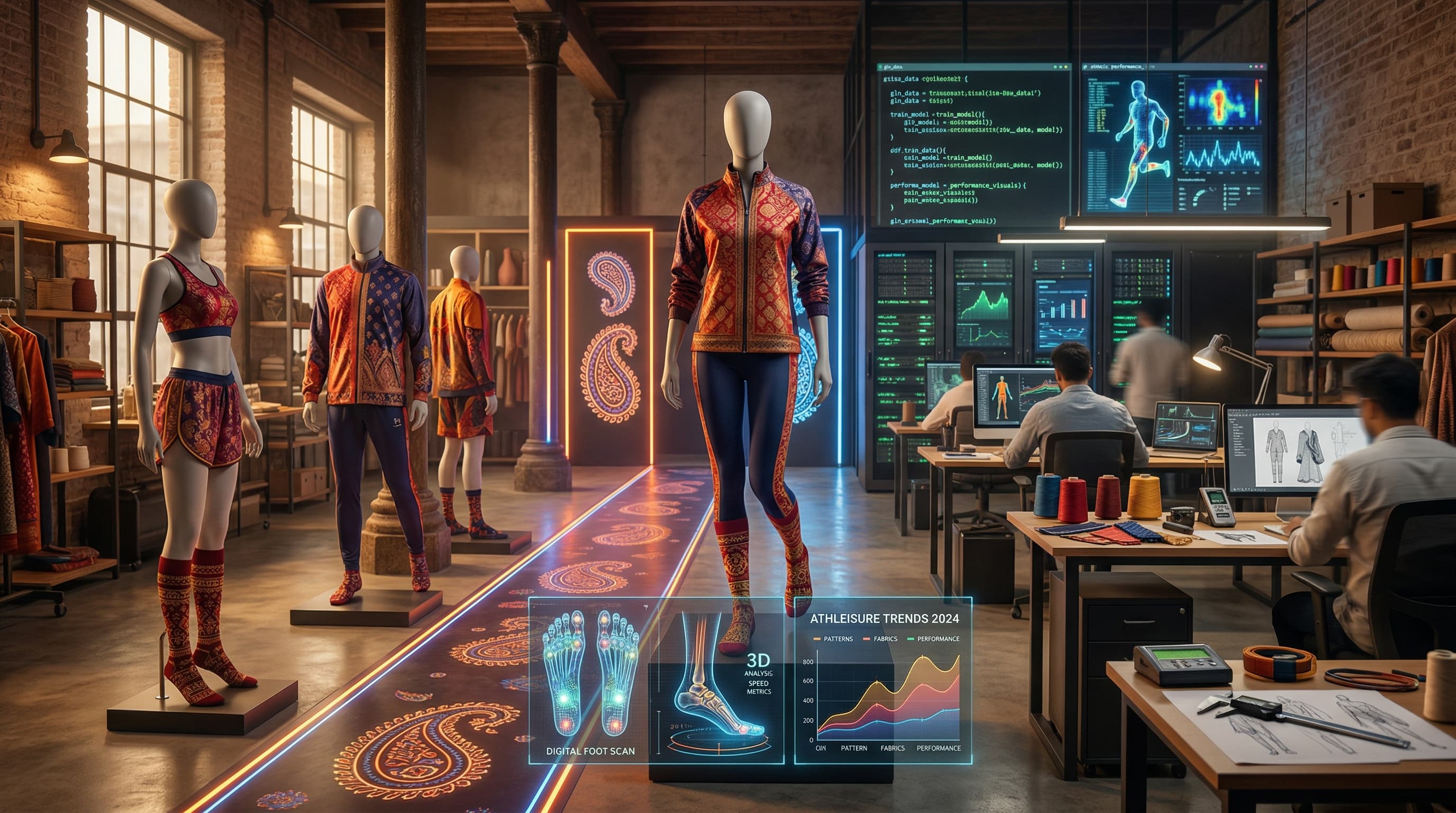
Firms deploy robots for precision knitting. Robots produce 1,000 pairs hourly. Humans manage 200 pairs per shift, states International Labour Organization study.
Investors injected $2 billion USD into AI textile startups in Q1 2026. Andreessen Horowitz led funding rounds. This pressures factories to automate.
South Asia Garment Sector Feels Heat
India's sock production centers in Tirupur and Ludhiana. Factories supply Myntra and Ajio brands. Automation trials slash labor by 30 percent, reports Confederation of Indian Textile Industry.
Dhaka factories export socks to Europe. Chinese AI knitting machines cost INR 80 lakh ($95,000 USD) each plus 18 percent GST and import duties. Owners install 500 units yearly, per Bangladesh Investment Development Authority.
Workers earn INR 15,000 ($180 USD) monthly. Job losses may reach 200,000 in hosiery by 2028. Government reskilling schemes allocate INR 1,000 crore ($120 million USD).
Markets Echo AI Job Panic Fears
CNN Money's Fear and Greed Index fell to 16, signaling extreme fear, on April 12, 2026. Bitcoin dropped 1.7 percent to $71,808 USD, per CoinMarketCap.
Ethereum dipped 1.1 percent to $2,225.47 USD. Investors shift to AI stocks; Nvidia climbed five percent on automation news, Nasdaq data shows.
BSE-listed Kitex Garments fell four percent to INR 220 ($2.65 USD). Automation capex erodes short-term profits, Motilal Oswal analysts note.
Robots Reshape Sock Production
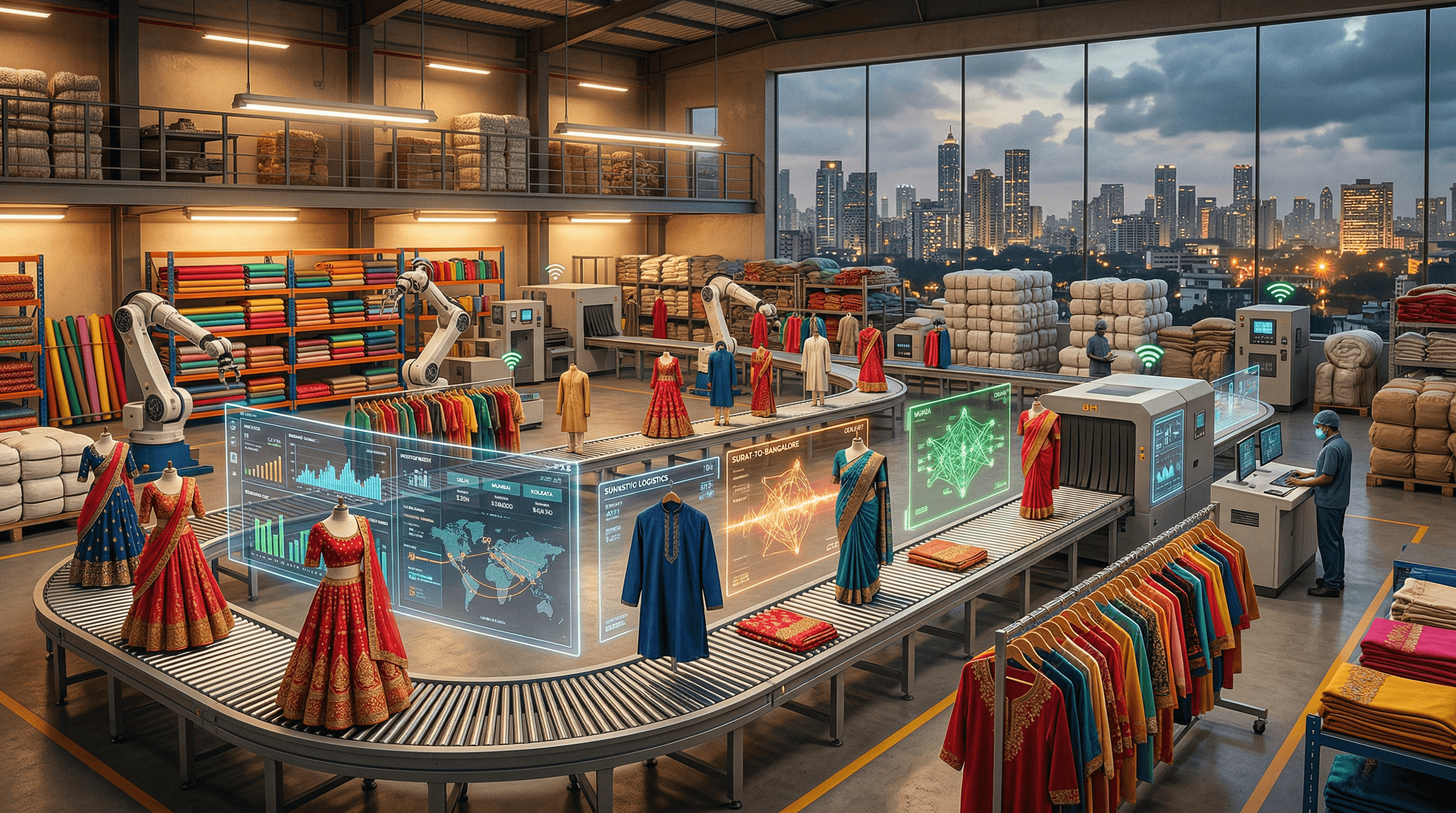
SoftWear Automation offers Sewbots at INR 1.5 crore ($180,000 USD). Sewbots seam socks with 99 percent accuracy. Coimbatore factories test 50 units, company filings confirm.
AI vision systems sort yarns by color. Factories boost output 40 percent. Human errors vanish, per Siemens March 2026 report.
One robot consumes five kWh daily, versus 20 kWh for 10 workers. Tamil Nadu supplies power at INR 7 ($0.08 USD) per unit.
Economic Fallout Hits Fashion Supply
South Asia produces 60 percent of global socks. H&M sources from here. Automation may cut prices 15 percent, Boston Consulting Group predicts.
Designers like Sabyasachi rely on local hosiery. Cheaper socks boost fast fashion. Job losses curb apparel spending, RBI economic survey warns.
Myntra and Flipkart sell automated socks. Sales reached INR 5,000 crore ($600 million USD) in 2025. Lower costs accelerate growth.
Upskilling Counters AI Job Panic
NITI Aayog trains one million textile workers in AI. Budget provides INR 500 crore ($60 million USD) for robot maintenance programs.
Bangladesh skills council partners with SoftBank. Graduates earn 20 percent more at INR 18,000 ($215 USD) monthly.
Mumbai fashion schools add AI modules. Students master digital looms for hybrid factories.
Finance Fuels Automation Surge
Blackstone invested $300 million USD in Indian sock makers. Firm targets 25 percent returns via tech upgrades, PitchBook data shows.
Crypto projects raise $50 million USD in AI fabric tokens. XRP fell 1.5 percent to $1.34 USD.
SBI approves INR 10,000 crore ($1.2 billion USD) in eight percent loans for robots this quarter. Owners upgrade to compete.
Fashion Adapts to AI Job Panic
Sustainable brands deploy ethical AI. Handloom blends with machine socks. Anita Dongre sells hybrid pairs at INR 2,000 ($24 USD).
Bangalore startups launch smart socks with sensors. AI ensures perfect fit at INR 1,500 ($18 USD).
Automated factories ramp up for wedding season. They meet festive demand spikes for kurtas and socks in October. AI job panic accelerates this shift, but reskilling builds resilience for Indian textile businesses.